Success story · October 2026 · Addis Ababa
Background
Through support from the USAID-funded GHSC-PSM project, the Addis Ababa City Administration Health Bureau (AACAHB) implemented several pharmaceutical systems strengthening interventions, including Auditable Pharmaceutical Transactions and Services (APTS), Result-Oriented Supportive Supervision (ROSS), the Pharmaceutical Management Information System (PMIS), and Drug Use Evaluation (DUE).
These interventions strengthened pharmaceutical supply chain management, pharmacy services, and the use of data for decision-making across health facilities. As project support came to an end, sustaining these gains became a critical priority for the Bureau.
Sustaining the gains
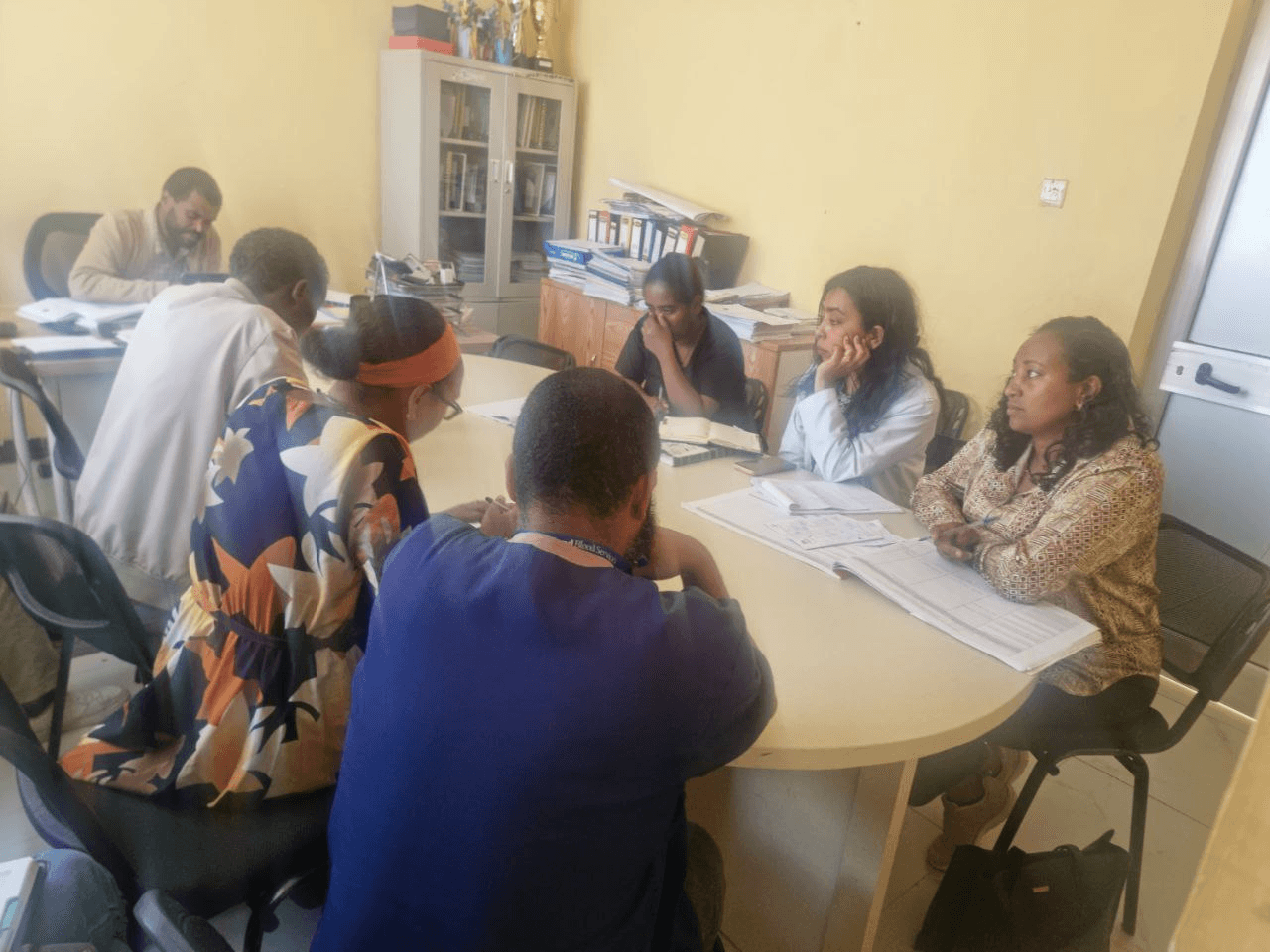
Following the phase-out of GHSC-PSM support and the absence of a formal transition process due to the stop-work order, AACAHB took deliberate measures to ensure the continuity of key pharmaceutical system strengthening interventions. The Supply Chain Strengthening (SCS) team, including former GHSC-PSM-supported staff, worked closely with Bureau leadership to advocate for local ownership and institutionalization of these initiatives. The Bureau integrated APTS, ROSS, PMIS, and DUE into routine operations and allocated resources for their continued implementation and monitoring.
To address the discontinuation of SurveyCTO and Power BI platforms, the Bureau adopted Kobo Toolbox and digitized the ROSS checklist, enabling continued electronic data collection, analysis, reporting, and feedback through a locally managed system.
Improving performance through sustainable systems
The continued implementation of these interventions has strengthened pharmaceutical supply chain management and pharmacy service delivery across health facilities. The Health Bureau routinely uses ROSS-generated reports to identify gaps, monitor performance, and support evidence-based decision-making.
The Bureau sustained and expanded key interventions introduced under previous USG support:
- Expansion of APTS implementation from 87 health facilities in EFY 2016 to 100 health facilities in EFY 2018.
- Sustained PMIS reporting coverage, achieving 100% reporting among government health facilities and selected high-volume private health facilities.
- Improved monitoring and evaluation (M&E) reporting performance.
These efforts have contributed to measurable improvements in:
- RRF reporting completeness, accuracy, and timeliness.
- DTC functionality, which improved from 75% to 86.5%.
- Redistribution of overstocked pharmaceuticals among health facilities, reducing stock imbalances and preventing expiries.
- Reduction in pharmaceutical wastage from 2% in EFY 2017 to less than 1% in EFY 2018.
The sustained use of pharmaceutical and logistics data has strengthened accountability, forecasting, inventory management, and routine evidence-based decision-making across supported facilities.
Evidence from health facilities
Health facilities continue to apply practices introduced through earlier USG support, including DUE and routine stock-status analysis.
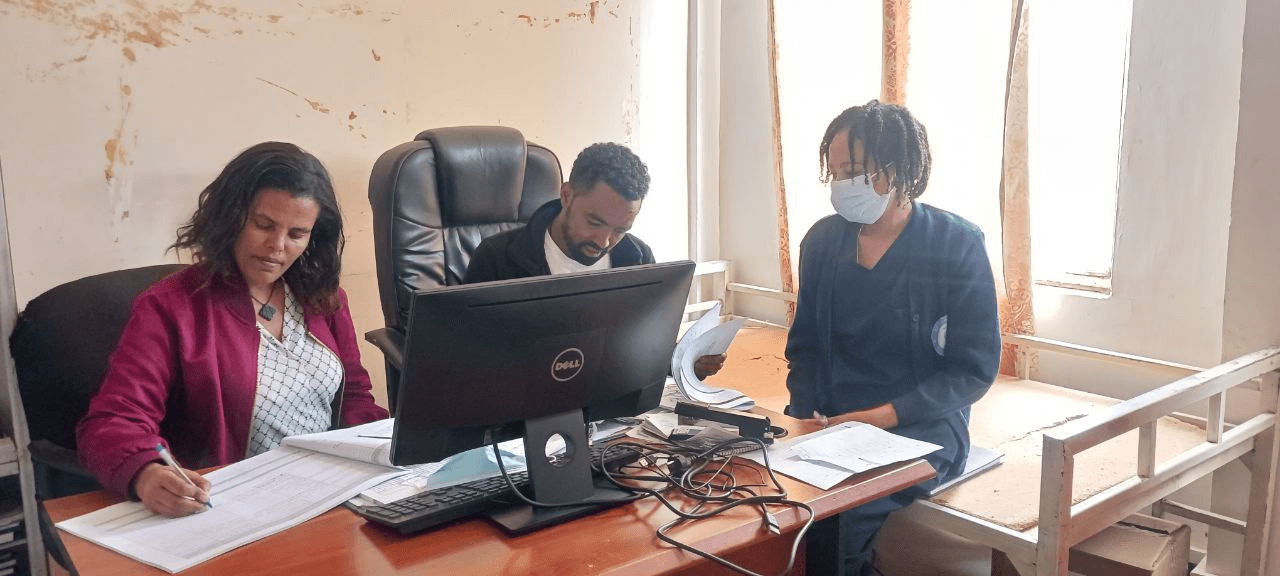
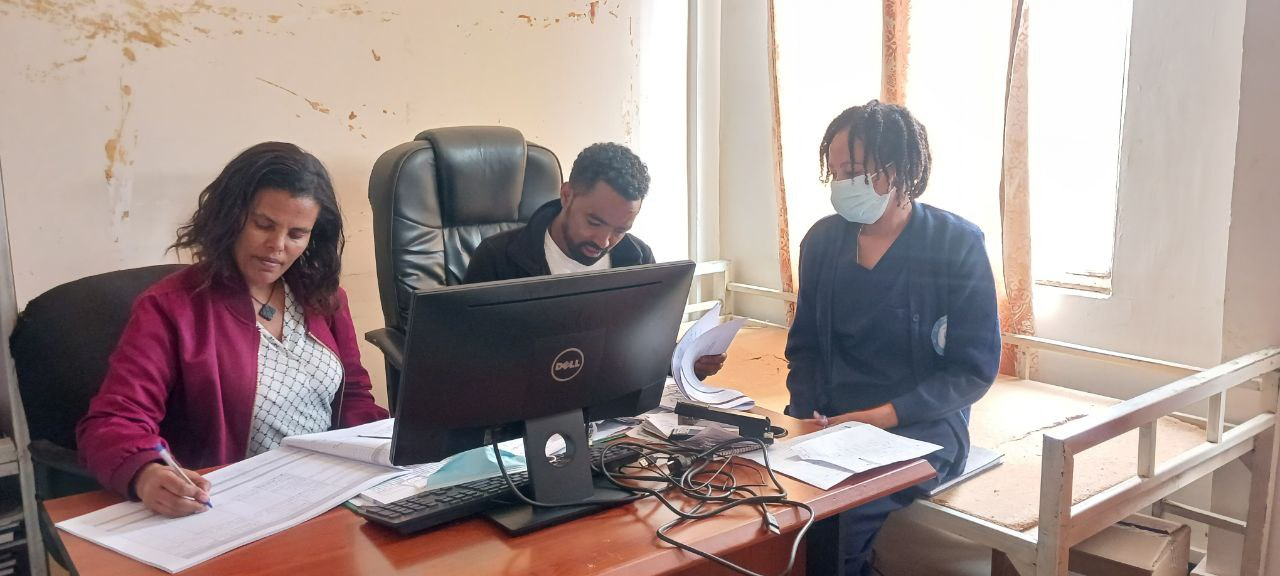
At Lemi Kura Woreda 02 Health Center, DUE has become an integral component of routine quality improvement activities. According to Abebe Birhanu, Pharmacist at Lemi Kura Woreda 02 Health Center, Drug Use Evaluation helps the facility assess prescribing practices and improve the quality of pharmaceutical services. Owing to the observed benefits, the health center continues to conduct DUE as part of its regular activities.
Leadership perspectives
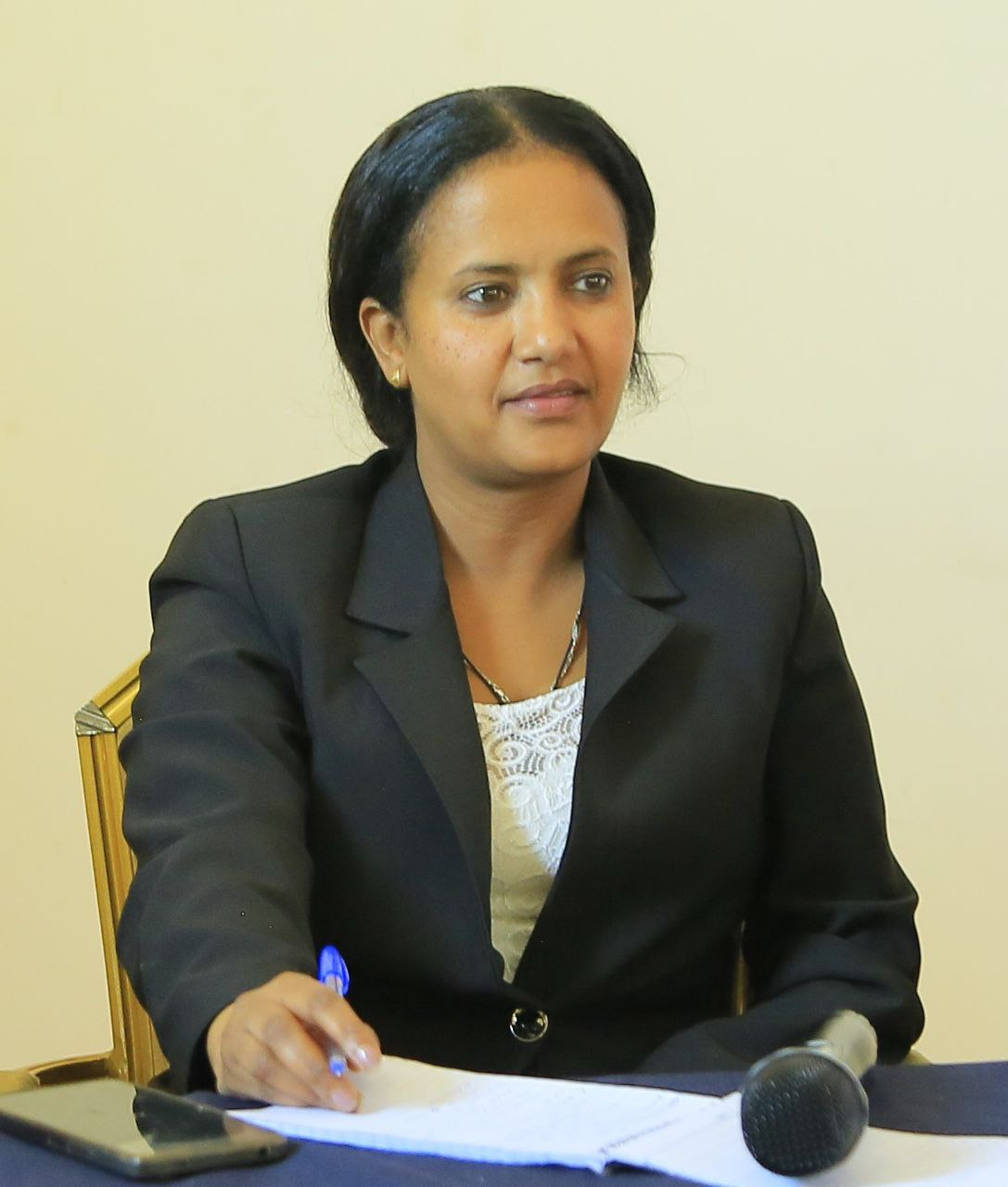
W/ro Netsanet Diro emphasized that APTS, ROSS, and PMIS have become part of routine operations, helping improve transparency, supportive supervision, and evidence-based decision-making.
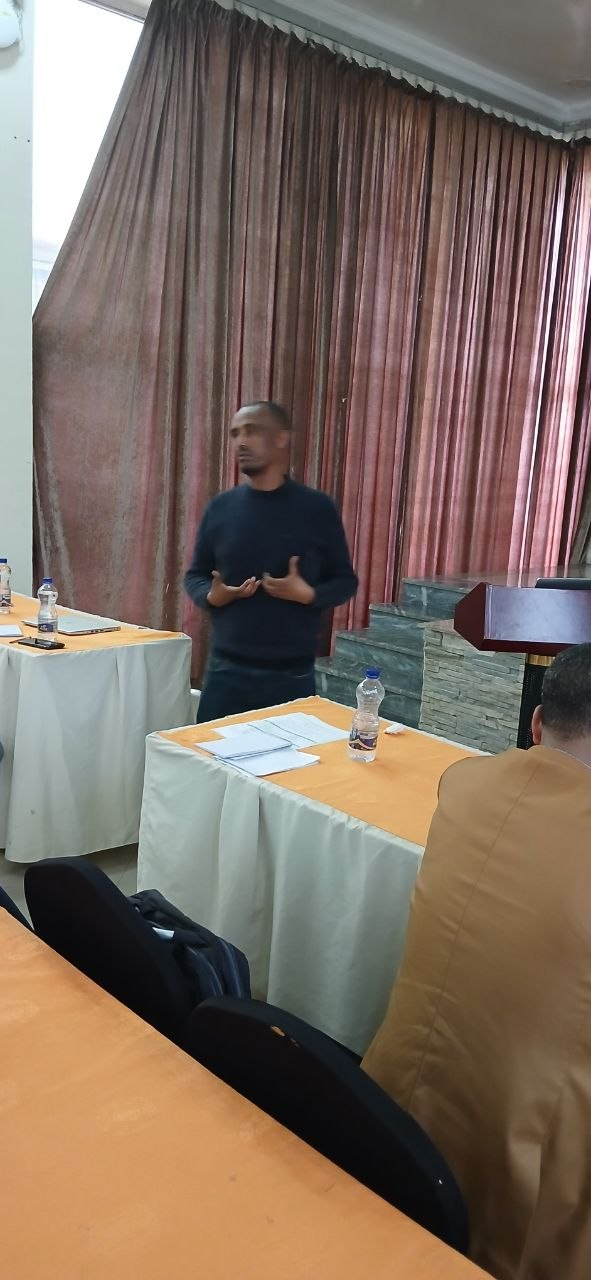
Lake Alemayehu highlighted that strong coordination, continuous follow-up, and the Kobo-based platform enabled uninterrupted implementation of ROSS and strengthened data-driven decision-making.
Impact
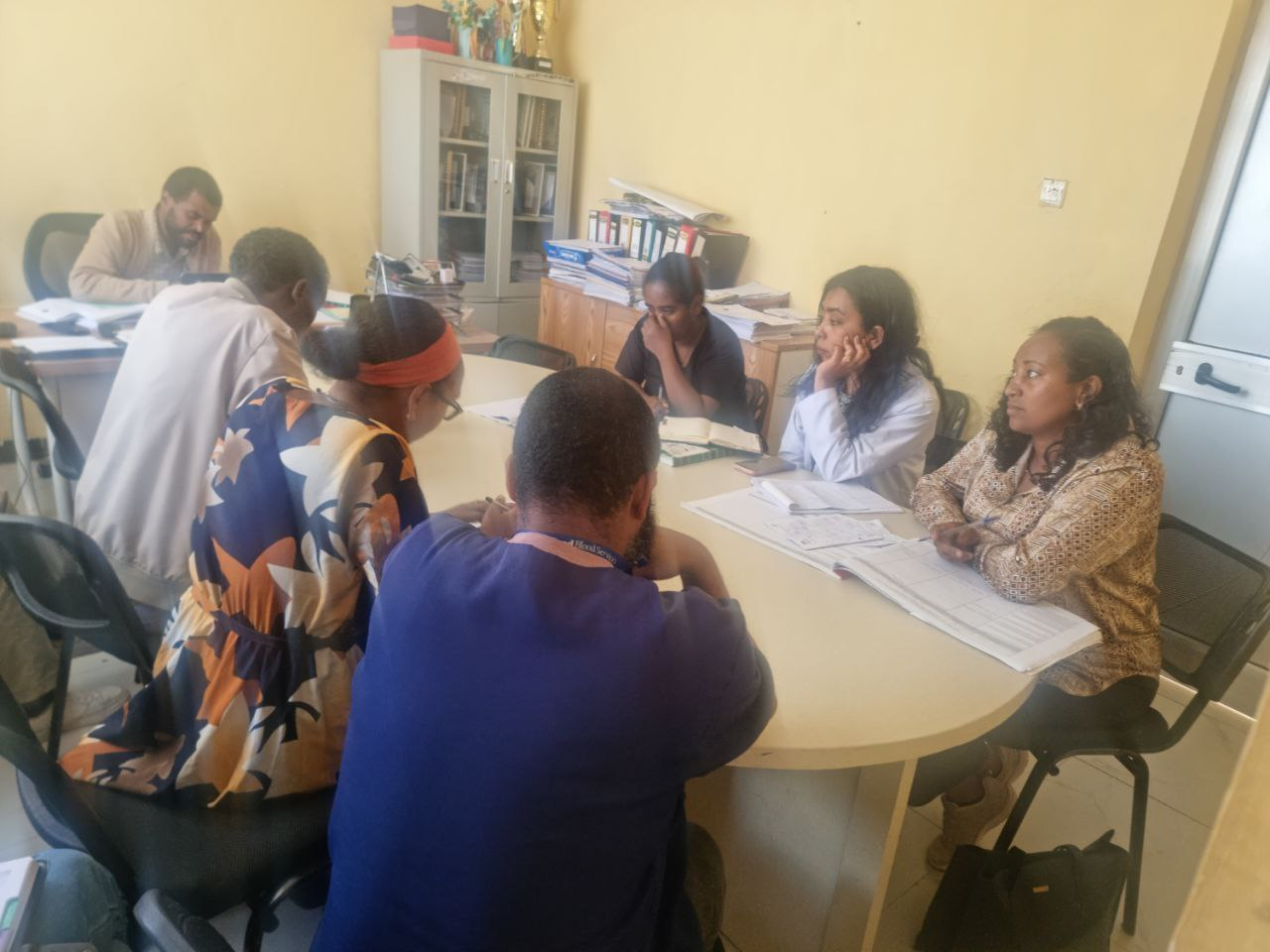
AACAHB successfully transformed donor-supported interventions into locally owned and sustained programs. Through continued implementation of APTS, PMIS, ROSS, and DUE, the Bureau has preserved previous investments while improving reporting performance, data quality, pharmaceutical management, and evidence-based decision-making. The adoption of a Kobo-based ROSS platform further demonstrates how local ownership can sustain and build upon development investments beyond donor support.
Key lesson
The Addis Ababa experience demonstrates that strong leadership, local ownership, and practical innovation are essential for sustaining health system improvements beyond donor support. By integrating proven interventions into routine government systems and allocating local resources for their continued implementation, the Bureau has not only preserved previous achievements but has also continued to improve pharmaceutical supply chain performance, service quality, and the use of data for decision-making.