Technical brief · September 2026 · Ethiopia
This Quarter IV Technical Brief highlights key activities, achievements, and lessons learned from TST-based performance review workshops conducted under the USG Supply Chain Strengthening (SCS) Project in collaboration with Regional Health Bureaus (RHBs). The workshops focused on strengthening leadership ownership, improving performance, promoting continuous quality improvement and sustainability, and advancing supply chain and pharmacy service maturity during FY2026 Quarter IV.
Project: United States Government (USG)–supported Supply Chain Strengthening (SCS) Project
Country: Ethiopia
Implementing partners: Management Sciences for Health (MSH) — Prime Implementer; U3 SystemsWork Int. — Subcontractor and Sub-national Technical Lead
Background
As part of the implementation of the USG Supply Chain Strengthening (SCS) Project, a series of cluster-based performance review workshops were conducted across twelve regions and two city administrations in close collaboration with RHBs, Zonal Health Departments (ZHDs), woreda health offices, and participating health facilities. The workshops represented a key milestone in institutionalizing the National Supply Chain and Pharmacy Service Assessment (NSCPSA) maturity improvement framework by translating assessment findings into actionable quality improvement initiatives at health facility level.
The workshops were designed to strengthen leadership ownership of health facility performance, promote the routine use of NSCPSA maturity data for decision-making, and reinforce the implementation of the Targeted Support Team (TST) model. Through structured review of baseline and Quarter III maturity assessment results, participants identified measurable progress, analyzed implementation bottlenecks, prioritized interventions, and developed evidence-based Performance Improvement Plans (PIPs) to accelerate continuous improvement.
The workshops also served as a platform for sharing successful implementation experiences, standardizing technical intervention packages, strengthening accountability, and fostering collaboration among national, regional, and facility-level stakeholders.
Objectives
The workshops aimed to:
- Review supply chain and pharmacy service maturity progress against baseline NSCPSA findings and the maturity framework.
- Strengthen leadership ownership, accountability, and evidence-based decision-making for continuous quality improvement.
- Assess and strengthen the TST approach, including supportive supervision, coordination, and technical follow-up.
- Identify priority performance gaps and strengthen facility PIPs using standardized interventions toward the 80% maturity target.
- Share best practices and lessons learned to accelerate maturity improvement.
- Strengthen collaboration among MoH, RHBs, health facilities, EPSS, and the USG SCS Project.
- Facilitate the development or refinement of Performance Improvement Plans for each Regional Health Bureau and Federal Hospital.
Methodology / approach
The Quarter IV TST-based Performance Review Workshops were coordinated primarily by the Subnational Cluster Coordinators with RHBs and FMOH PMD LO. The workshops were conducted across all project clusters to review performance, assess progress, identify implementation challenges, and agree on priority actions for improving health facility supply chain and pharmacy service maturity.
The workshops were supported by senior management and technical leadership from both the USG SCS Project prime partner and the subnational contractor, either virtually or in person. In most clusters, workshops were officially opened by RHB delegates, including RHB senior leadership and Heads of the Pharmaceutical and Medical Device Management (PMDM) units, demonstrating strong government ownership.
The review workshops employed presentations of regional and facility performance data, plenary discussions, experience sharing, and collaborative action planning to identify best practices, address implementation gaps, and develop practical recommendations for continuous quality improvement.
Workshop highlights
The two-day workshops across all regions and city administrations followed a standardized national framework while allowing flexibility for regional adaptation. Major technical sessions included:
- Overview of the USG Supply Chain Strengthening (SCS) Project.
- Regional pharmaceutical supply chain and pharmacy service performance updates.
- Review of the NSCPSA maturity model, assessment methodology, and scoring framework.
- Comparative analysis of baseline and Quarter III maturity assessment results.
- Presentation of aggregate and facility-specific performance findings.
- Discussion of implementation challenges, system bottlenecks, and priority improvement areas.
- Leadership engagement on sustaining organizational maturity.
- Presentation of standardized intervention packages for priority improvement areas.
- Development and refinement of facility-specific Performance Improvement Plans.
- Experience sharing by high-performing health facilities.
- Discussions on performance management, data quality, stakeholder engagement, and strengthening the TST approach.
- Consensus building on priority actions and implementation commitments.
Key findings: TST-based review meetings
- 619 health-sector facilities and administrative structures participated in TST-based review meetings across 12 regions and 2 city administrations.
- Participants included 12 RHBs, 2 CAHBs, 155 hospitals, 215 health centers, 78 zones/sub-cities, 133 woredas, and 24 EPSS hub participations.
- Health centers accounted for the largest share of participants (34.7%), followed by hospitals (25.0%) and woredas (21.5%).
- Oromia had the highest participation (194; 31.3%), followed by Amhara (119; 19.2%) and South Ethiopia (51; 8.2%).
- Lower participation in regions such as Tigray, Harari, and Dire Dawa reflects differences in targeted site selection and regional administrative structures, rather than differences in overall health-system coverage or capacity.
Participation and coverage
A total of 619 health-sector facilities and administrative structures participated across 12 regions and 2 city administrations. The participants included RHBs/CAHBs, hospitals, health centers, zones/sub-cities, woredas, and EPSS hubs.
Table 1. Participation by health system levels
| Level | Number | % |
|---|---|---|
| Health centers | 215 | 34.7% |
| Hospitals | 155 | 25.0% |
| Woredas | 133 | 21.5% |
| Zones/Sub-cities | 78 | 12.6% |
| RHBs/CAHBs | 14 | 2.3% |
| EPSS hubs* | 24 | 3.9% |
| Total | 619 | 100% |
*The 24 EPSS participation records represent repeated participation of some hubs across different regional events; all 19 EPSS hubs were engaged.
Table 2. Facilities and administrative structures reached by region
| Region | RHB/CAHB | Hospitals | Health Centers | Zones/Sub-cities | Woredas | EPSS | Total |
|---|---|---|---|---|---|---|---|
| Addis Ababa | 1 | 5 | 15 | 11 | – | 2 | 34 |
| Afar | 1 | 5 | 6 | – | 6 | 2 | 20 |
| Amhara | 1 | 26 | 49 | 11 | 28 | 4 | 119 |
| Benishangul-Gumuz | 1 | 3 | 4 | 2 | 2 | 1 | 13 |
| Central Ethiopia | 1 | 7 | 14 | 4 | 17 | 2 | 45 |
| Dire Dawa | 1 | 1 | 2 | – | – | 1 | 5 |
| Gambella | 1 | 4 | – | – | 3 | – | 8 |
| Harari | 1 | 1 | 2 | – | – | – | 4 |
| Oromia | 1 | 42 | 78 | 31 | 37 | 5 | 194 |
| South Ethiopia | 1 | 12 | 13 | 4 | 19 | 2 | 51 |
| Sidama | 1 | 11 | 3 | 5 | 1 | – | 21 |
| Somali | 1 | 11 | 24 | 4 | 14 | 3 | 57 |
| Southwest Ethiopia | 1 | 6 | 5 | 3 | 9 | 1 | 25 |
| Tigray | 1 | 21 | – | – | – | 1 | 23 |
| Total | 14 | 155 | 215 | 78 | 133 | 24 | 619 |
The variation across regions reflects the project’s targeted site-selection approach and differences in regional administrative structures rather than differences in overall health-system coverage or capacity.
Key findings and achievements
A total of 1,144 participants attended the review meetings. Oromia, Amhara, and Somali accounted for 56.9% of total participation.
Table 3. Participant distribution by region
| Region | Participants | % |
|---|---|---|
| Oromia | 309 | 27.0% |
| Amhara | 232 | 20.3% |
| Somali | 110 | 9.6% |
| South Ethiopia | 88 | 7.7% |
| Central Ethiopia | 87 | 7.6% |
| Addis Ababa | 73 | 6.4% |
| Tigray | 49 | 4.3% |
| Southwest Ethiopia | 41 | 3.6% |
| Sidama | 38 | 3.3% |
| Afar | 36 | 3.1% |
| Benishangul-Gumuz | 29 | 2.5% |
| Gambella | 22 | 1.9% |
| Dire Dawa | 16 | 1.4% |
| Harari | 14 | 1.2% |
| Total | 1,144 | 100% |
The workshops were successfully conducted across all targeted regions and strengthened understanding of TST-based supportive supervision, maturity measurement, NSCPSA implementation, stakeholder coordination, and facility-level PIP development.
Table 4. Participant profile by sex
| Participant category | Male | Female | Total |
|---|---|---|---|
| RHB | 97 | 13 | 110 |
| ZHD/SC/WoHO | 195 | 32 | 227 |
| Health facilities | 687 | 89 | 776 |
| EPSS | 28 | 3 | 31 |
| Total | 1,007 | 137 | 1,144 |
| % | 88.0% | 12.0% | 100% |
Participants included key decision-makers and technical personnel such as facility heads, pharmacy heads, zonal and woreda health leaders, supply chain coordinators, EPSS hub managers, RHB leaders, and TST members.
Key results
- Participants reviewed performance, identified implementation gaps, and shared lessons and best practices.
- Facility-specific PIPs and priority interventions were identified.
- Stakeholders agreed to strengthen data quality, routine monitoring, targeted technical assistance, and supportive supervision.
- High-performing practices were identified for replication and peer learning.
- Progress toward the 80% modular maturity target was prioritized.
The Quarter IV TST-based Performance Review Workshops produced significant results that strengthened leadership ownership, reinforced evidence-based decision-making, enhanced accountability, and accelerated implementation of the NSCPSA maturity improvement framework across participating regions.
- Strengthened leadership ownership and accountability: Strong commitment from RHB leadership, CEOs, Medical Directors, Pharmacy Heads, and multidisciplinary facility management teams, with acknowledgment of performance gaps and commitment to corrective actions.
- Improved use of data for evidence-based decision-making: Comparative analysis of baseline, Quarter III, and Q4 maturity assessment results enabled objective evaluation of trends and persistent bottlenecks.
- Strengthened performance improvement planning: All participating facilities reviewed and updated PIPs using the latest maturity findings and standardized intervention packages, with clear responsibilities, timelines, and expected results.
- Standardized technical support and quality improvement: Harmonized intervention packages improved consistency and effectiveness of supportive supervision, mentorship, coaching, and technical assistance.
- Enhanced knowledge sharing and peer learning: High-performing facilities presented successful interventions and practical solutions for adaptation by peers.
- Strengthened multi-level coordination and collaboration: Reinforced collaboration among MoH, RHBs, facilities, the USG SCS prime partner, and the subnational contractor.
Key lessons learned
- Leadership commitment drives sustainable improvement: Active engagement of RHB leadership and facility management was the most influential factor in advancing maturity improvement.
- Facility-level data strengthens ownership and accountability: Facility-specific maturity results were more effective than aggregated regional data in motivating corrective action.
- Standardized intervention packages improve technical support: Harmonized packages reduced variability and improved support quality across regions.
- Peer learning accelerates performance improvement: Experience sharing is an efficient, cost-effective strategy for accelerating maturity gains.
- Performance Improvement Plans are more effective when data-driven: Linking PIPs to maturity findings produced more focused, realistic, and measurable interventions.
- TST-based review mechanisms strengthen continuous quality improvement: The approach institutionalizes routine monitoring, accountability, coordination, and CQI.
Key challenges
Table 5. Challenges and implications
| Challenge | Implication |
|---|---|
| Frequent turnover of trained pharmacy professionals | Risk to continuity and sustainability of improvements |
| Limited internet and digital infrastructure | Constraints to digital supply chain processes, reporting, and monitoring |
| Limited implementation time | Additional time may be required to address complex maturity gaps and demonstrate sustained improvement |
Recommendations
Table 6. Recommendations and expected benefits
| Recommendation | Expected benefit |
|---|---|
| Conduct orientation immediately after baseline assessment | Early understanding, ownership, and timely implementation |
| Use cluster/catchment-based review meetings | More focused participation and technical discussion |
| Provide module-specific coaching and peer learning | More targeted support to identified maturity gaps |
| Organize meetings near high-performing facilities where feasible | Practical site visits and replication of successful practices |
Way forward
- Strengthen implementation and routine monitoring of facility Performance Improvement Plans, ensuring timely follow-up of agreed corrective actions.
- Institutionalize regular TST-based performance review meetings as part of the routine performance management system.
- Enhance leadership engagement at regional and facility levels to sustain ownership and resource mobilization.
- Continue delivering standardized supportive supervision, mentorship, coaching, and technical assistance using NSCPSA intervention packages, with greater emphasis on lower-performing facilities.
- Strengthen use of maturity assessment data through routine performance dashboards and data review meetings.
- Promote systematic documentation and dissemination of successful practices from high-performing facilities.
- Strengthen coordination among MoH, RHBs, health facilities, the USG SCS Project prime partner, and the subnational contractor.
- Conduct periodic follow-up assessments to measure progress and inform future technical support.
Conclusion
The Quarter IV TST-based Performance Review Workshops demonstrated the value of structured, data-driven performance reviews in strengthening leadership ownership, enhancing accountability, and accelerating health facility supply chain and pharmacy service maturity improvement. The workshops provided an effective platform for reviewing progress against maturity assessment findings, identifying implementation gaps, sharing best practices, and developing targeted actions to address priority challenges.
Importantly, the review process fostered greater ownership and commitment among health facility leaders and multidisciplinary teams, promoting a culture of continuous performance improvement and evidence-based decision-making. Regular review and follow-up mechanisms established through the TST approach contributed to sustainability by embedding performance monitoring, problem-solving, and corrective action planning within routine facility management processes.
Workshop photo gallery
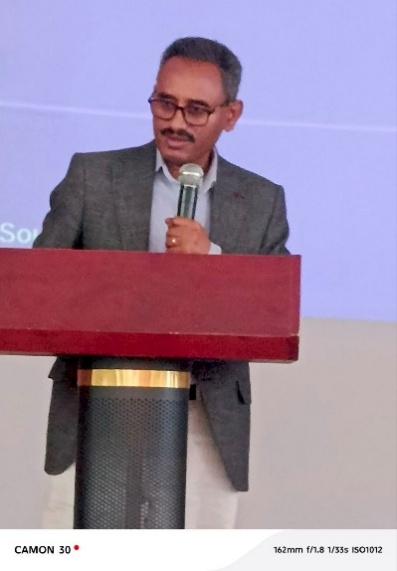
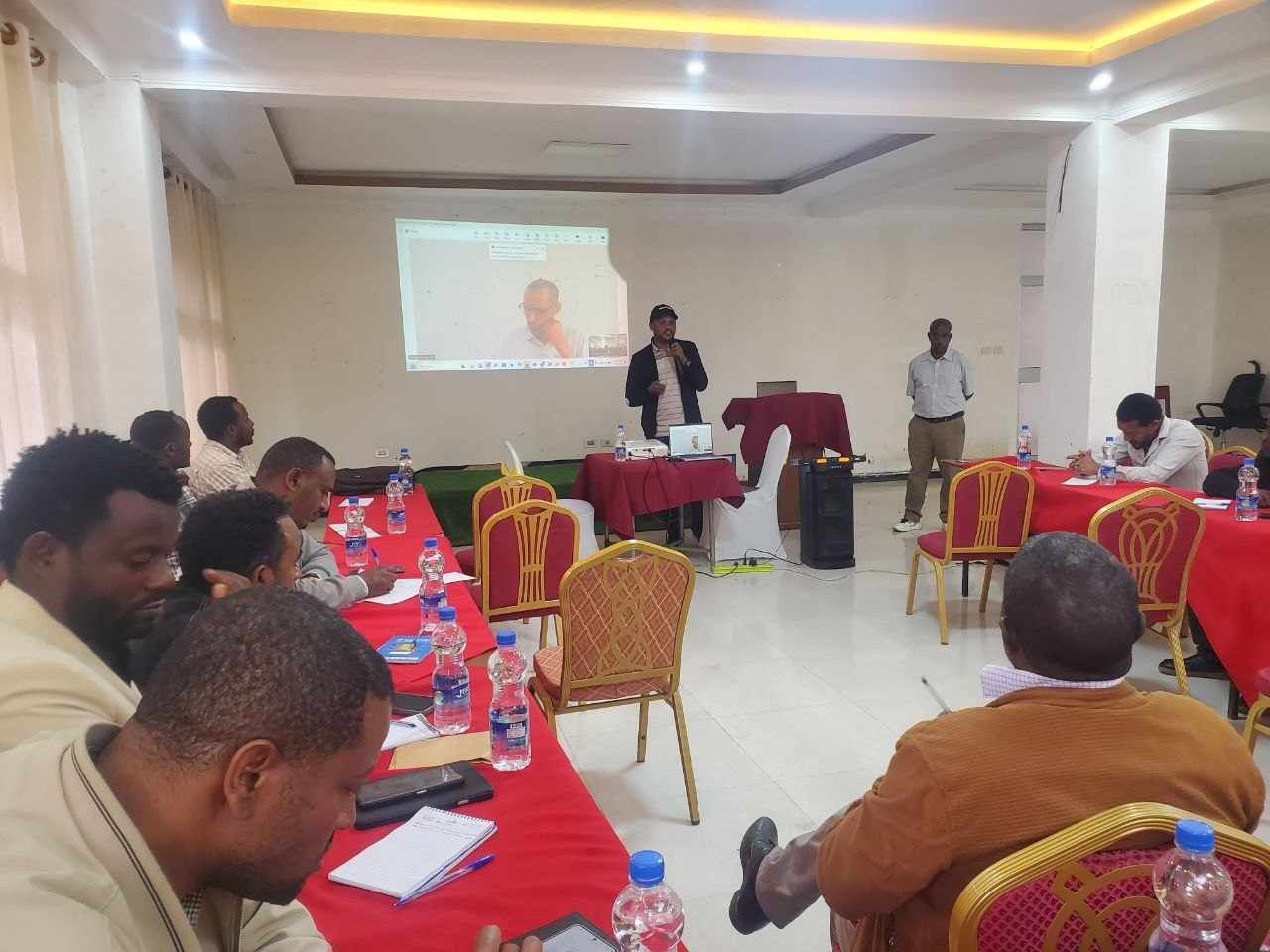
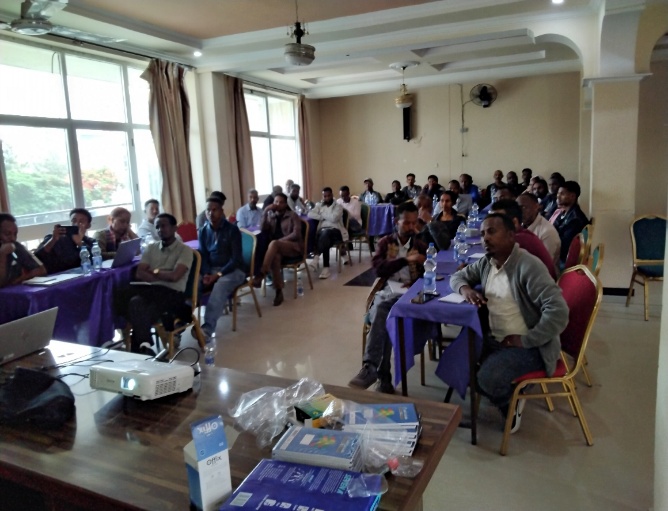
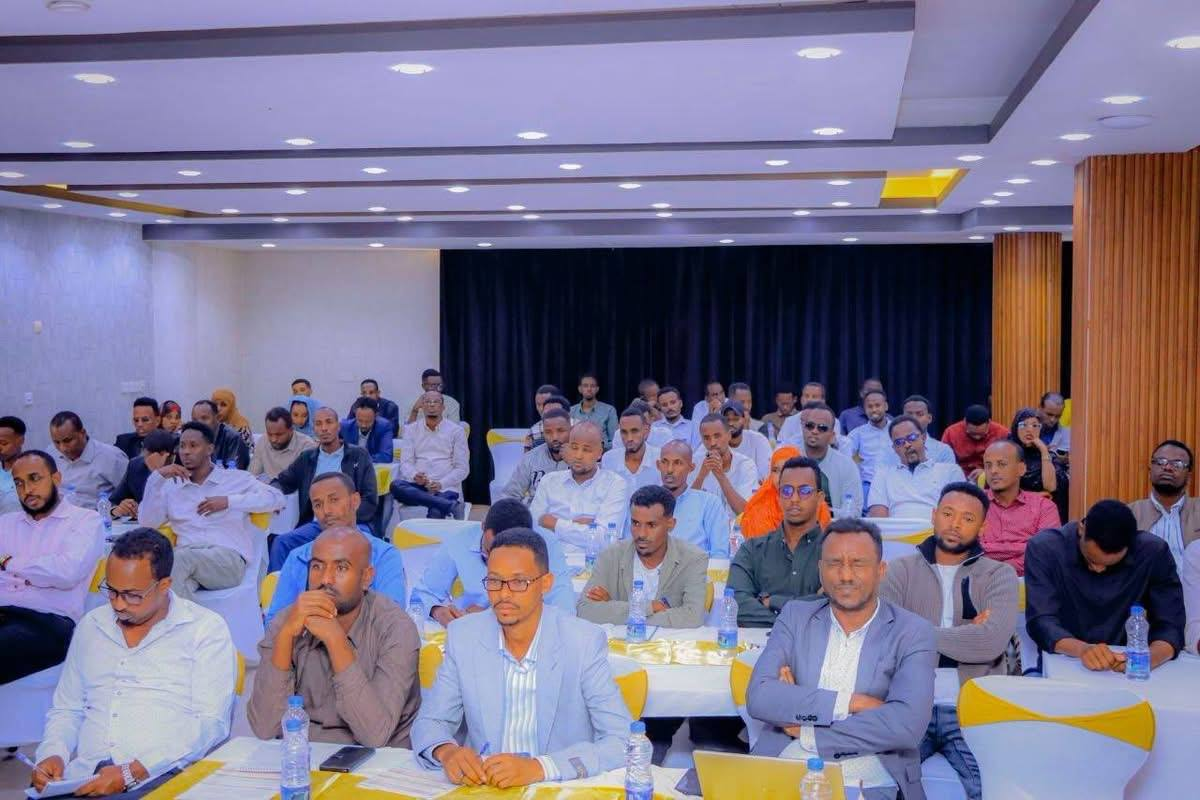
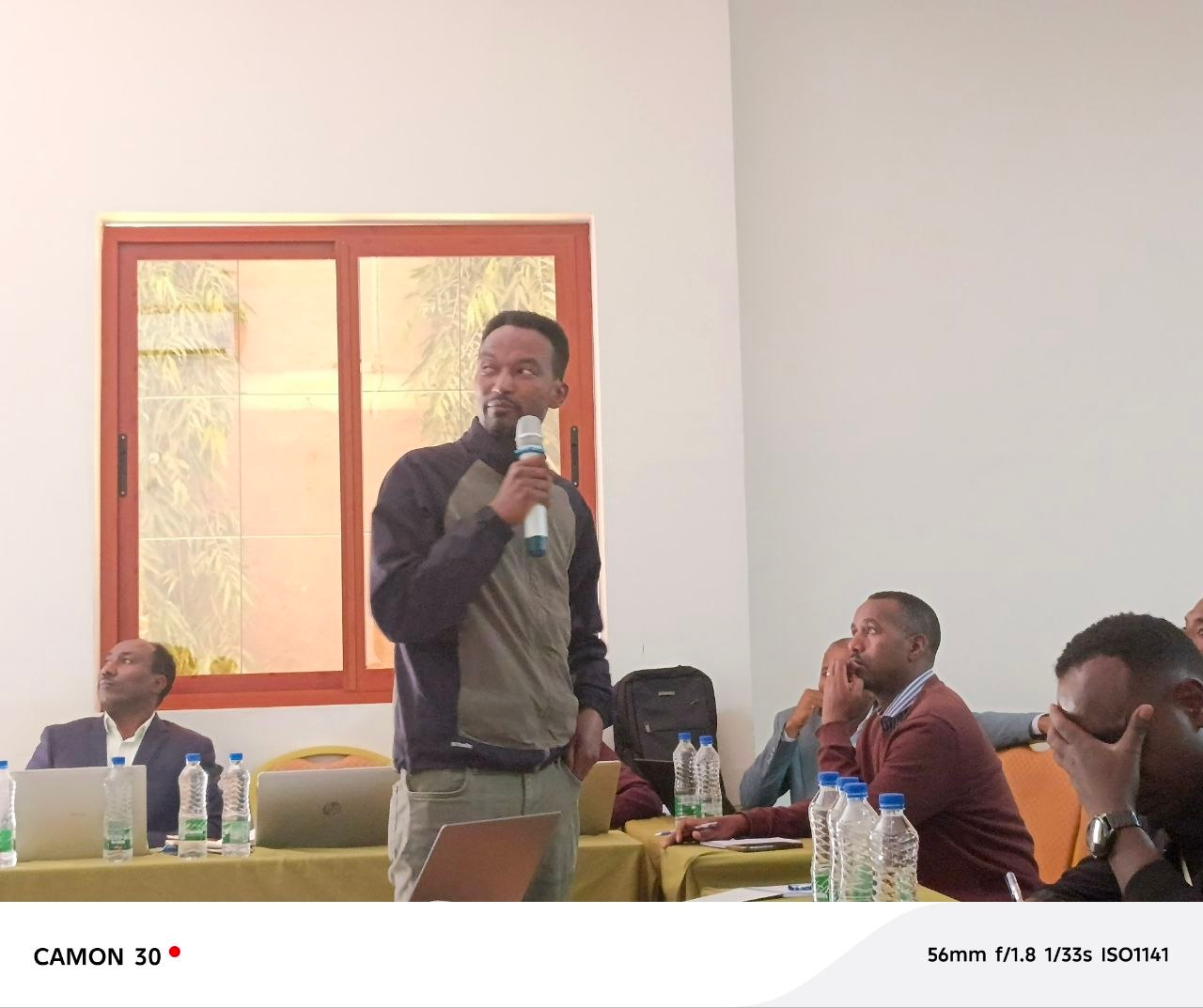
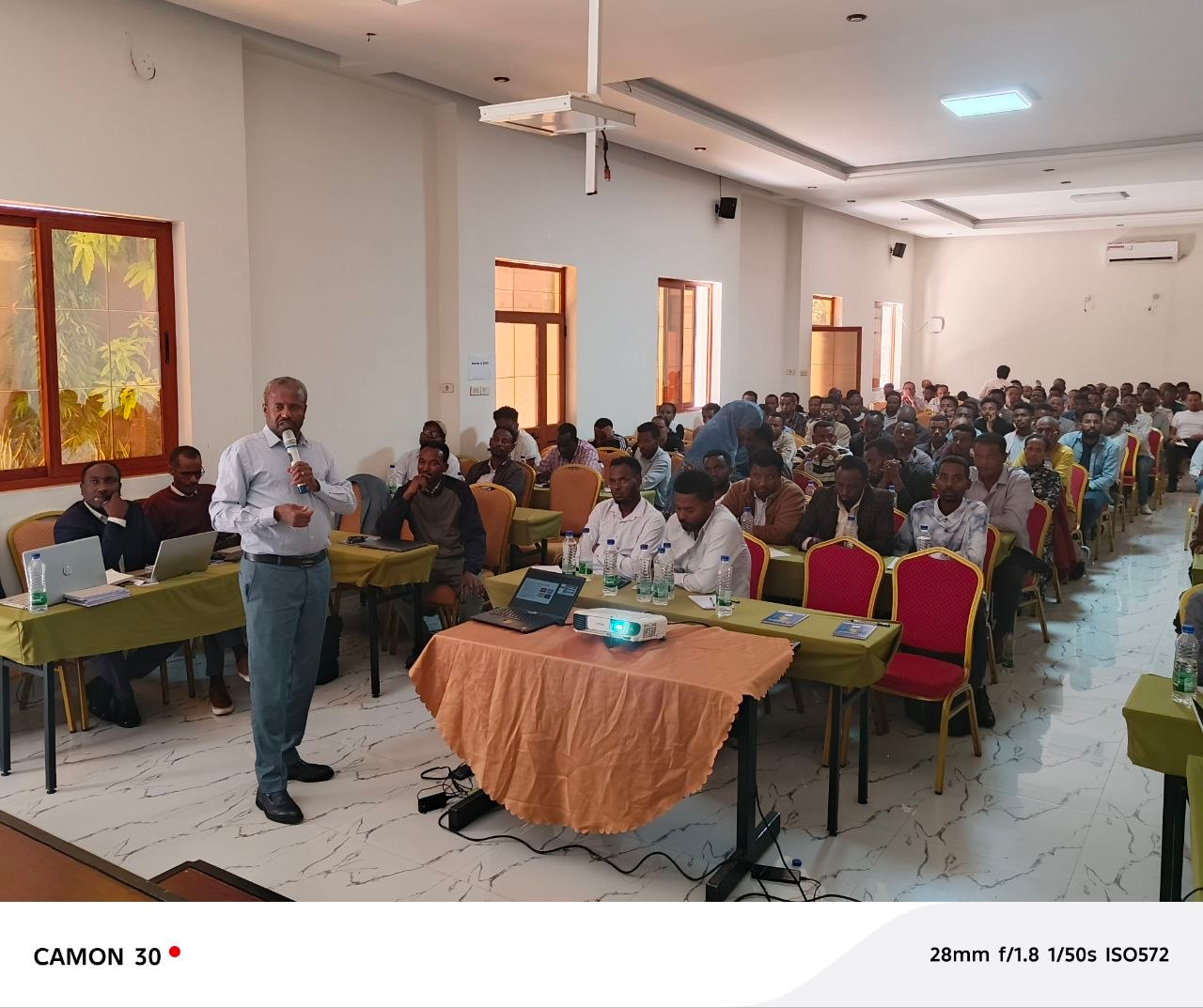
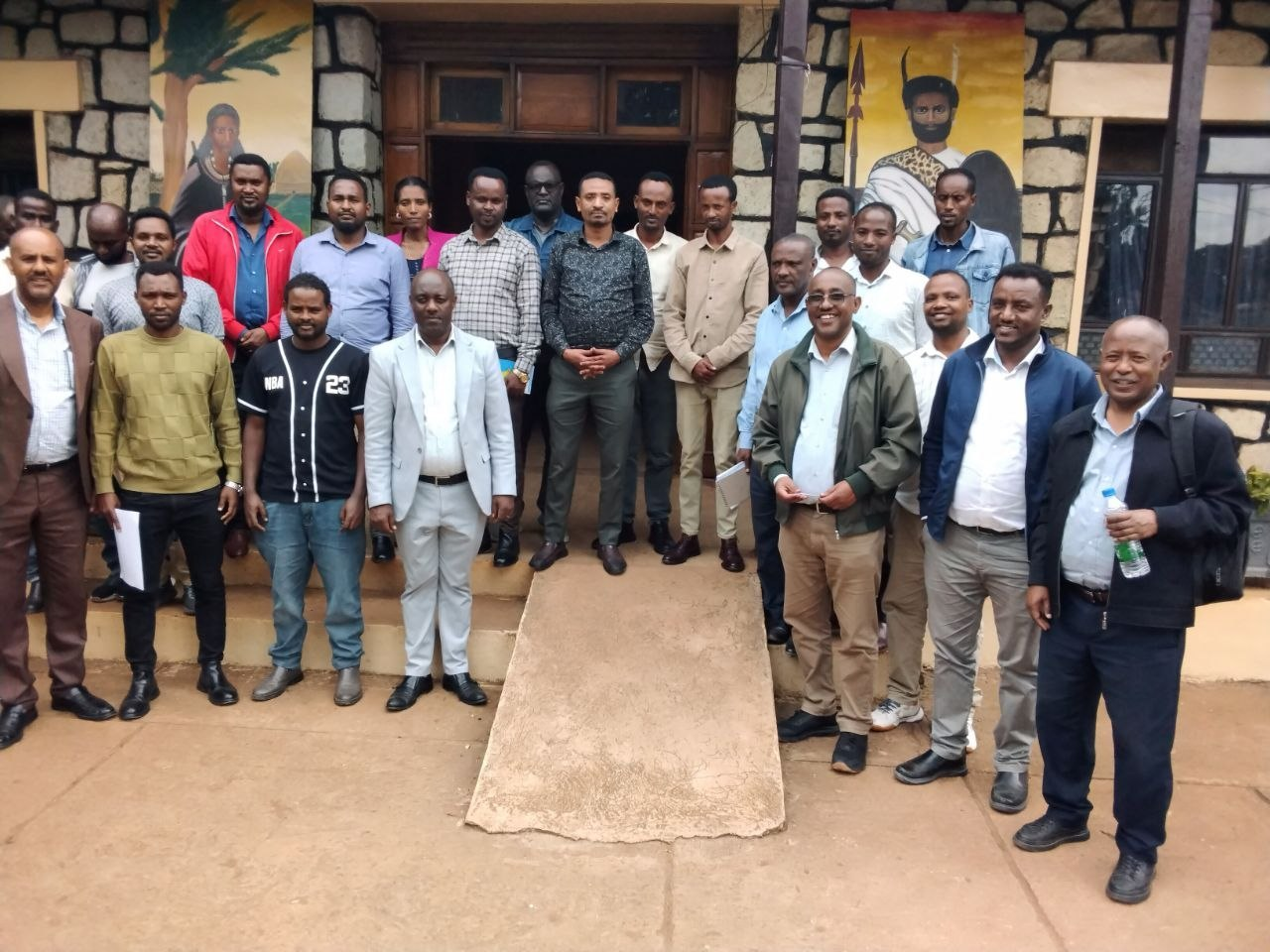
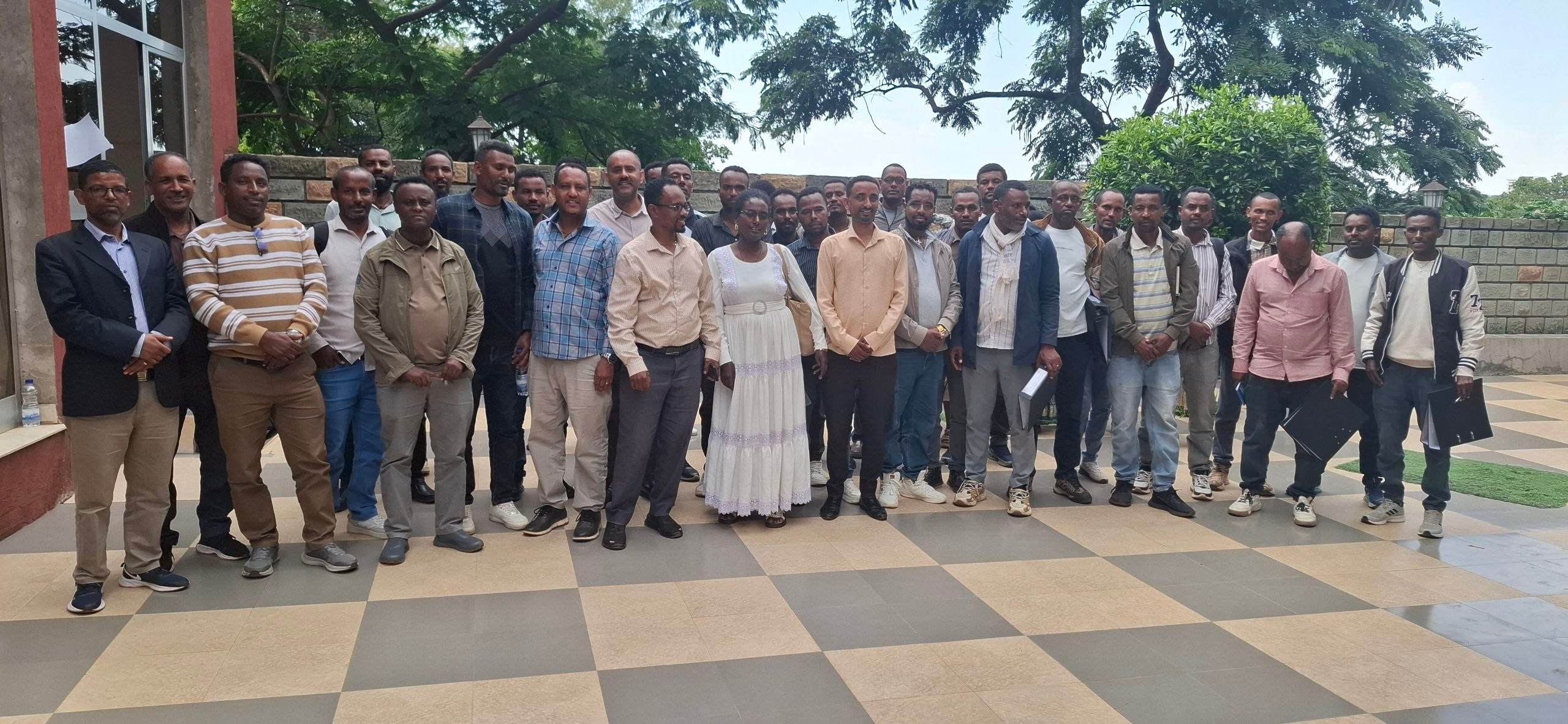
Selected photographs highlighting workshop sessions, keynote addresses, group discussions, facility presentations, and action-planning activities.